

The colours of fruits and vegetables (their pigments) hold many secrets to their function in our bodies. Those brilliant colours are bursting with nutrients that work together to maintain metabolism. stimulate our mitochondrial function (the “energy” centres of our cells) and stabilize cell function.
Let’s take a look at QUERCETIN
Quercetin is a plant pigment of the family of flavonoids… (flavonoids are phytonutrients from plants that contribute to their brilliant colour) and they act specifically as anti-oxidants. Quercetin is found in such a variety of foods, that it’s hard to miss. A little nutrient with a massive responsibility, quercetin is found in these foods:
- green tea
- coffee
- berries
- green apples
- capers
- kale, dark leafy greens
- broccoli
- ginko biloba
- nuts and seeds
- red onion and green onions
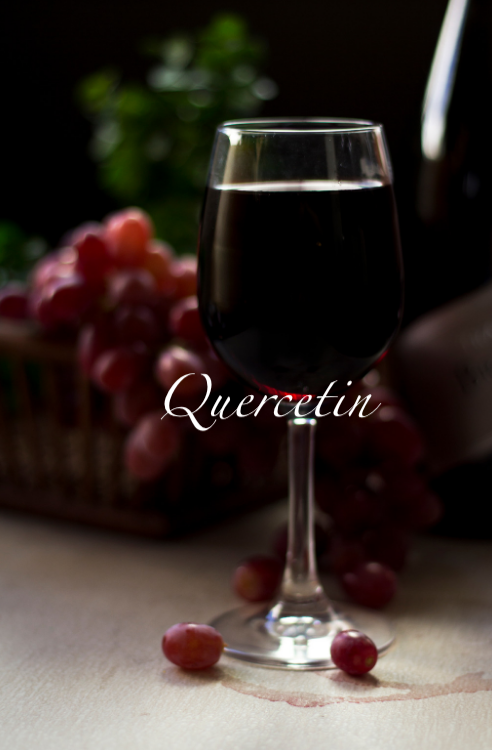
- red wine
- asparagus
- tomatoes
Quercetin has a strong influence on your immune system. It’s benefits stretch over the long term, which is why it is considered as a long-lasting anti-inflammatory by it’s action against pro-inflammatory cytokines as well as it’s ability to block something called tumor necrosis factor (TNF-α) which can be high in blood levels among many kinds of auto-immune conditions. These conditions can include symptoms associated with arthritis, inflammatory bowel diseases and asthma and respiratory illnesses. (TNF-α) is involved with the regulation of the immune response by acting as a mediator to help control and resolve inflammation… so it’s action is good towards helping to reduce inflammation by creating SOME inflammation (to alert the body that something is wrong and to initiate our own healing), but also bad if it becomes too high as it can begin to act against your own healthy cells.
Quercetin in brightly coloured foods acts as a free radical mop, and has anti-viral and anti-carcinogenic properties. It is a strong anti-inflammatory and helps to stabilize mast cells, which are important in the immune response against symptoms of allergies which is displayed by it’s beneficial effects on upper respiratory infections both in helping to reduce the length of these types of infections as well as as preventative. It helps to fight against excess histamine and alleviate symptoms of allergies such as sneezing, cough, congestion and skin eruptions. As an anti-inflammatory, it helps to reduce symptoms of high blood pressure and reduces plaque build up in the arteries that can develop into symptoms of hardened arteries and cardiovascular symptoms. It helps to lower “bad” cholesterol and acts to help reduce hypertension.
Because Quercetin is found abundantly in GREEN TEA and COFFEE, your morning cup is a great place to start to incorporate this powerful, multi-purpose anti-oxidant into your daily nourishment. Or try it in a delicious Spring Salad like this one below:
Roasted Spring Veggie Salad with Capers
- 6 cups fresh washed baby kale and arugula
- 1 cup fresh strawberries, blackberries, raspberries, blueberries or a combination of all berries
- Roast 2 cups each: fresh carrots, green beans and asparagus tips to tender and slice into bite-size sections – NOTE: place veggies with carrots first as they take a bit longer to roast and put green beans and asparagus on the top. Roast in 425-degree oven for about 10-15 minutes or until veggies are tender. Remove from oven and drizzle with olive oil.
- 1 tablespoon capers
- 1 tsp. pink or sea salt
- 1 tsp. grated lime zest
- 1/4 cup cilantro leaves (if desired)
- TOSS greens with roasted Spring Veggies, add capers, and cilantro. Add your favourite balsamic vinaigrette, a homemade or natural ranch dressing and some fresh ground black pepper. Serve with grilled chicken, salmon or add chick peas to pump up the protein!
EnJOY your Quercetin!
Erin-Michelle


